
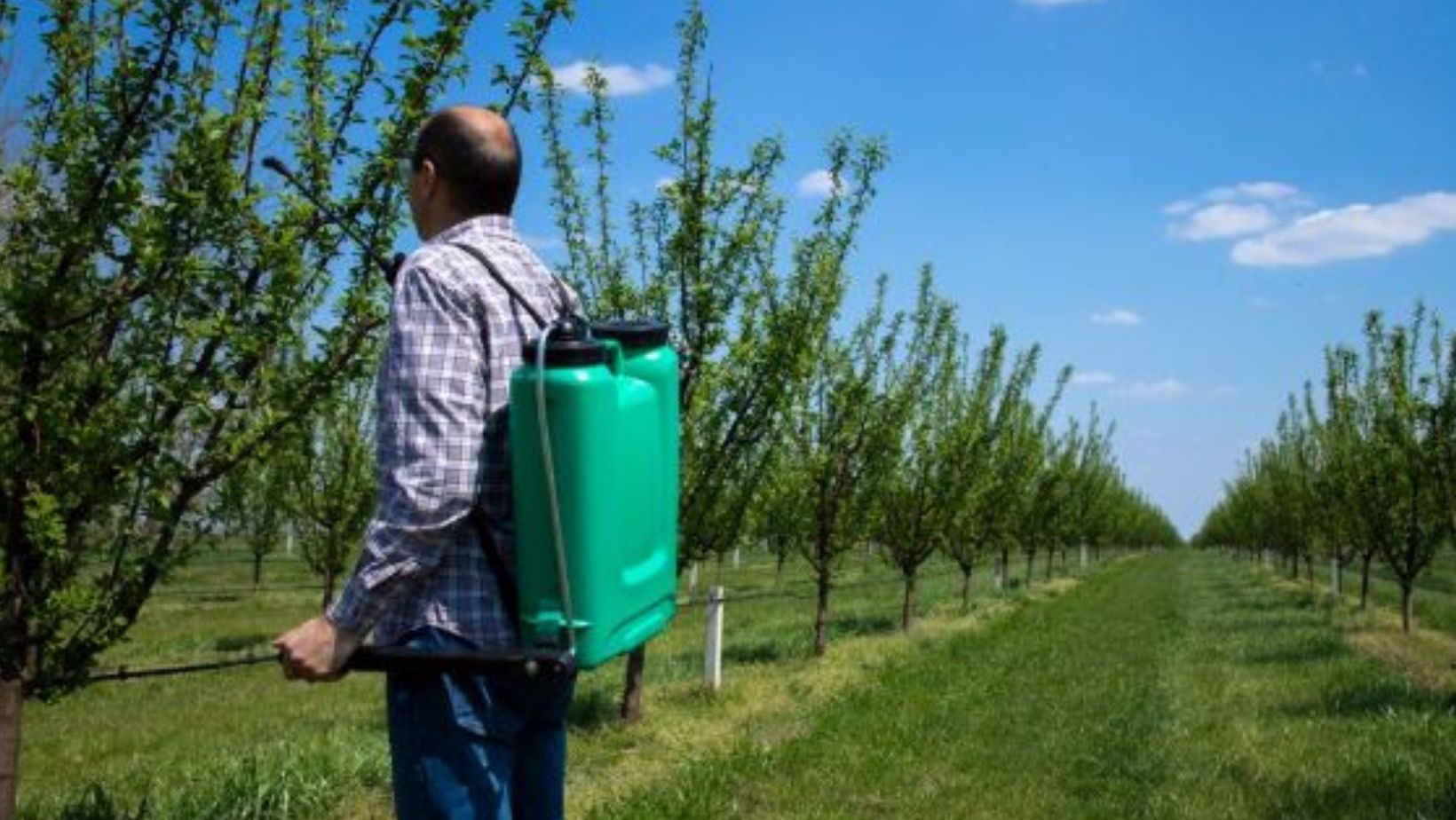

Keeping fruits and vegetables fresh and protected throughout the year can save money, reduce food waste, and ensure a steady supply of healthy produce. Whether you grow your own garden or buy from markets, protecting produce involves proper storage, pest control, and seasonal planning. Each season brings different challenges, but with the right strategies, you can keep your fruits and vegetables in good condition all year long.
1. Proper Storage Techniques
One of the most important steps in protecting fruits and vegetables is storing them correctly. Different types of produce require different conditions.
Some fruits, like apples, oranges, and pears, last longer when kept in cool, dry places. Others, such as bananas, tomatoes, and avocados, ripen better at room temperature but should be refrigerated once fully ripe to slow spoilage.
Vegetables like carrots, lettuce, and broccoli stay fresh longer when stored in the refrigerator’s crisper drawer. Leafy greens should be washed, dried thoroughly, and stored in breathable containers or bags to prevent moisture buildup, which causes rot.
Root vegetables such as potatoes, onions, and garlic prefer dark, dry, and well-ventilated areas rather than the fridge. Keeping them in mesh bags or baskets helps air circulate and prevents sprouting.
2. Seasonal Planning and Preservation
Protecting produce year-round also means planning for seasons when fresh items are less available. One effective method is preserving excess harvest during peak seasons.
Freezing is one of the easiest ways to preserve fruits and vegetables. Items like berries, peas, spinach, and corn freeze well when washed, chopped, and stored in airtight containers or freezer bags. Blanching vegetables before freezing helps maintain color, texture, and nutrients.
Canning is another traditional method. Fruits can be made into jams, jellies, or syrups, while vegetables can be preserved in jars using proper sterilization techniques. Drying or dehydrating fruits like apples, mangoes, and herbs is also an excellent way to extend shelf life without refrigeration.
3. Protecting Against Pests
Pests can damage fruits and vegetables both in the garden and during storage. In outdoor gardens, insects like aphids, caterpillars, and beetles can destroy crops if not controlled. Using natural methods such as companion planting, introducing beneficial insects like ladybugs, and using organic sprays can help keep pests away without harming the environment. For more information on safe and effective pest control options, you can visit pestaside.net.
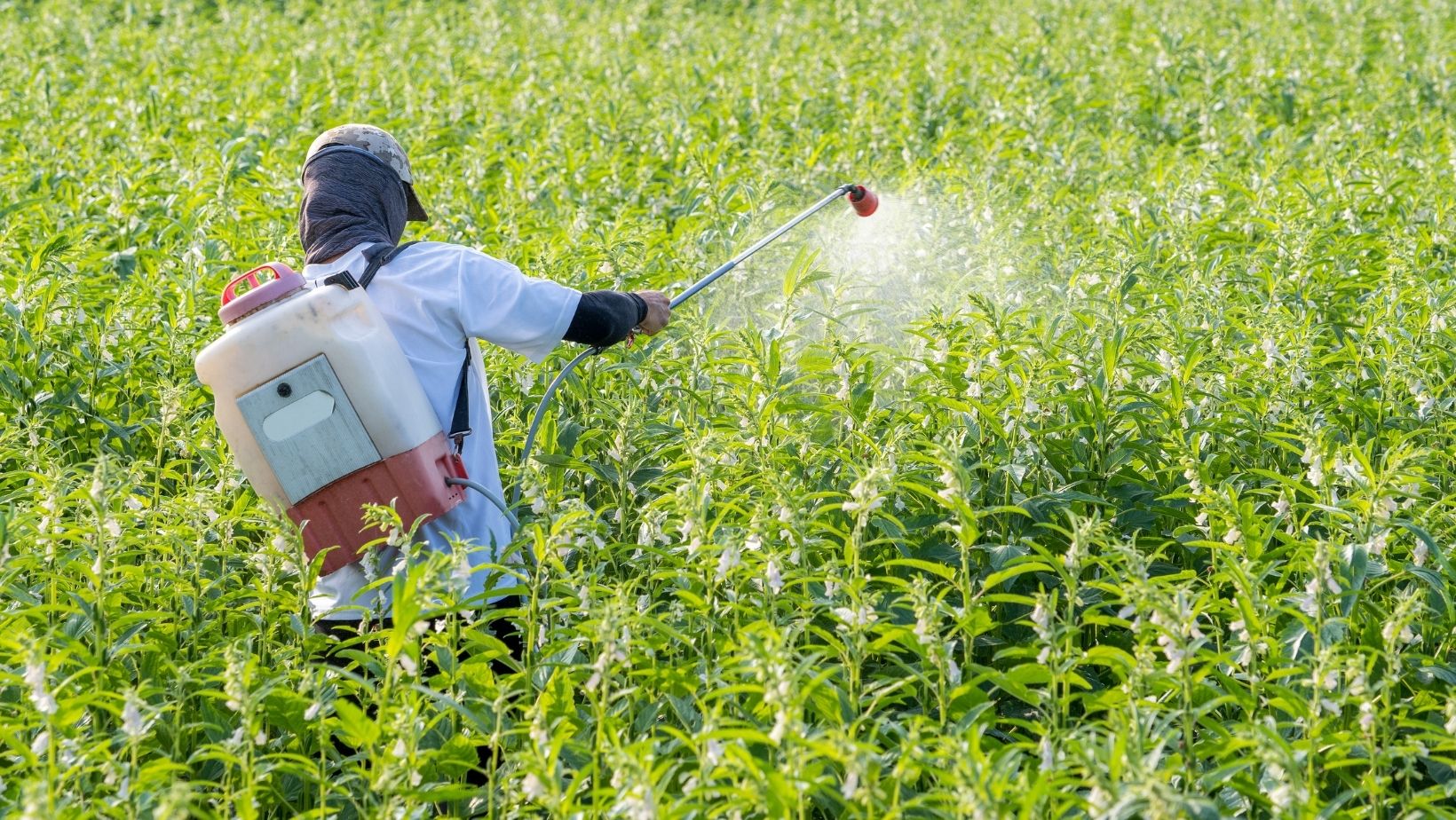
For stored produce, rodents and insects can become a problem if storage areas are not clean and sealed. Using airtight containers and regularly checking storage spaces helps prevent infestations. Keeping storage areas dry and free from food debris is essential.
4. Temperature and Humidity Control
Temperature and humidity play a major role in preserving produce. Most fruits and vegetables spoil quickly in warm and humid conditions. Refrigeration slows down the growth of bacteria and mold, extending freshness.
However, not all produce should be refrigerated. For example, cold temperatures can damage tomatoes, basil, and cucumbers if stored incorrectly. Understanding ideal storage conditions for each type of produce helps maintain quality.
Using humidity-controlled drawers in refrigerators can help balance moisture levels. High humidity keeps leafy greens fresh, while low humidity is better for fruits that release ethylene gas, which speeds up ripening.
5. Garden Protection Strategies
If you grow your own fruits and vegetables, protecting them starts in the garden. Using row covers or netting can shield plants from insects and birds. Mulching around plants helps retain soil moisture, regulate temperature, and prevent weed growth.
Proper spacing between plants improves airflow and reduces the risk of fungal diseases. Regular pruning and removing damaged leaves also keep plants healthy and productive.
Watering early in the morning is another helpful practice, as it allows plants to absorb moisture before the heat of the day while reducing the chance of mildew.
6. Smart Shopping and Rotation
Finally, protecting fruits and vegetables also involves smart consumption habits. Practicing “first in, first out” rotation ensures older produce is used before newer items, reducing waste. When shopping, buying only what you need and choosing seasonal produce helps maintain freshness and quality.
Conclusion
Protecting fruits and vegetables year-round requires a combination of proper storage, seasonal preservation, pest control, and smart gardening practices. By understanding the needs of different types of produce and applying simple techniques, you can enjoy fresh, nutritious food in every season while reducing waste and saving money.